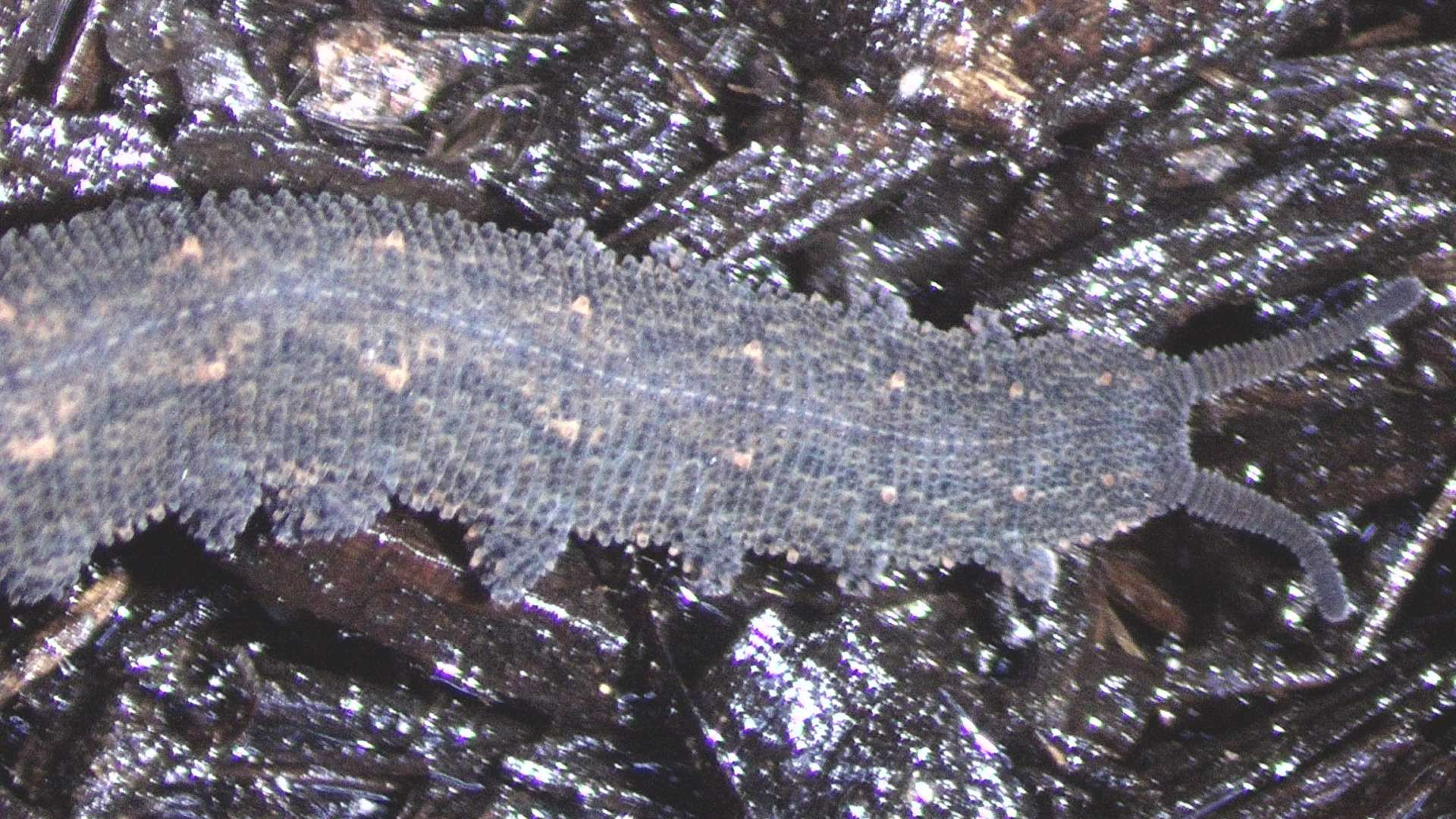
 In early December 2021, a team from the Central Victorian Regional Insect Collection (C.V.R.I.C) headed by its curator Bert Candusio and renoun invertebrate seeker Trevor Glyn-Jones, went into a remote and heavily forested area of the Lerderderg State Park in order to search for one of the most elusive and curious oddities of the animal kingdom. This creature has remained virtually unchanged for over 540 million years and is known as the Peripatus or Velvet Worm.
Many biologists today consider it a living fossil and it represents the shape and form of one of the first creatures to have ever walked upon the dry land.
Living a secluded and nocturnal existence, these animals live within rotting logs and feed on a large variety of invertebrates such as ants, termites, spiders and cockroaches. Although only a few centimeters in length, they are voracious predators and capture their prey by means of sticky slime-like threads which they squirt onto their victim. Once secured, the prey is devoured by powerful slicing jaws.
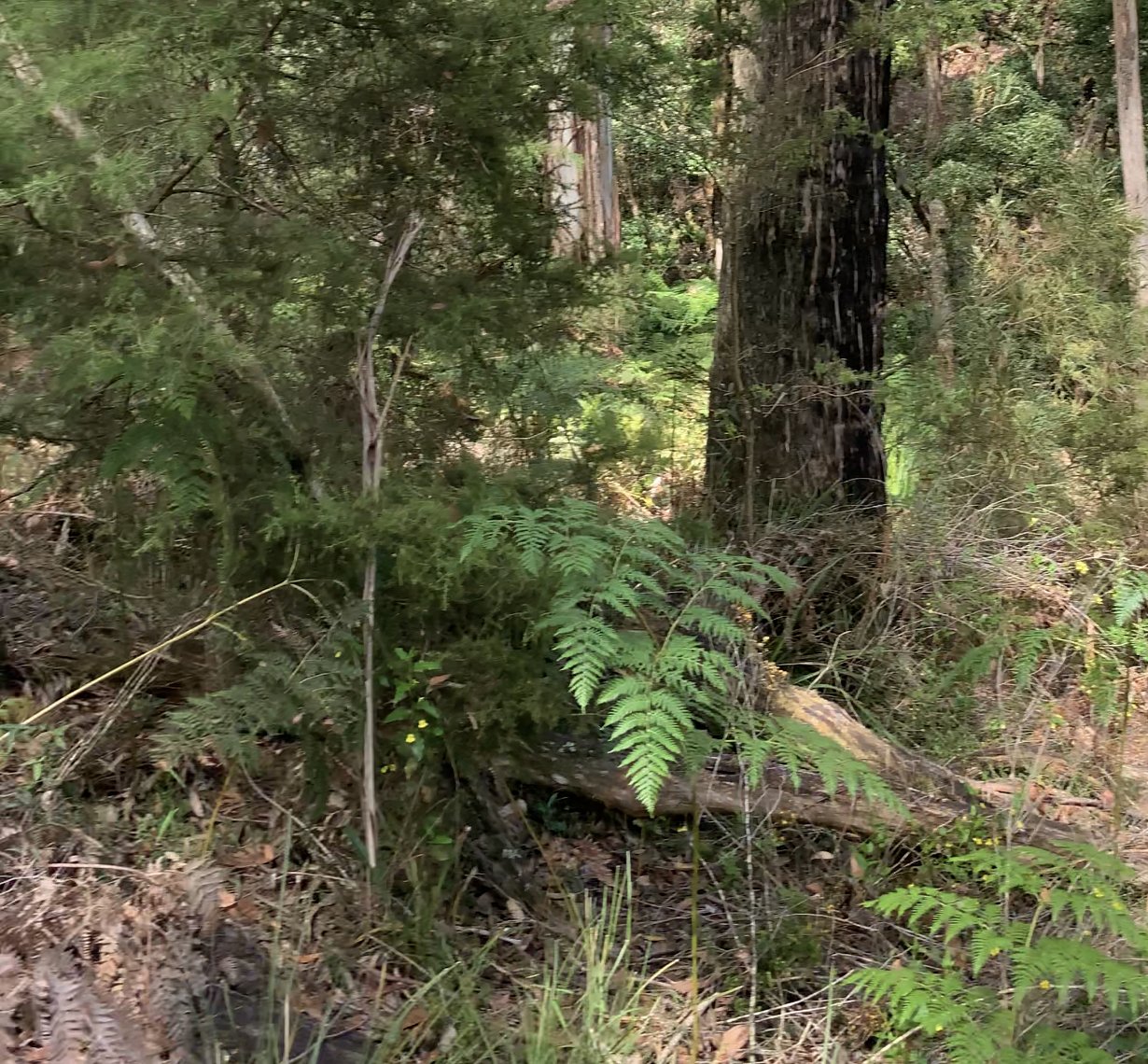 The research team were curious to see if the animals still existed in the same locality based on the first specimen collected in 1895. Known as Ooperipatus oviparus (Dendy, 1895), these animals are rarely seen by members of the public and so the C.V.R.I.C Team was keen to find at least one specimen to help highlight the importance of habitat conservation. Only one specimen was found after many hours of detailed searching.
The specimen was recently a *Special Guest* on the C.V.R.I.C TV Zoom Cast and many viewers were amazed at the appearance of this wondrous little animal. Another Zoom *Special* Episode devoted to this animal will be scheduled soon. Details will be available on the cvric.com.au website.

 The Macedon Ranges Shire Council Environment and Planning Department has officially
  Our Curator, Bert Candusio featured in several ABC Radio interviews this week. First came ABC Radio Central Victoria with Sian discussing the Central Victorian Regional Insect Collection and its history.
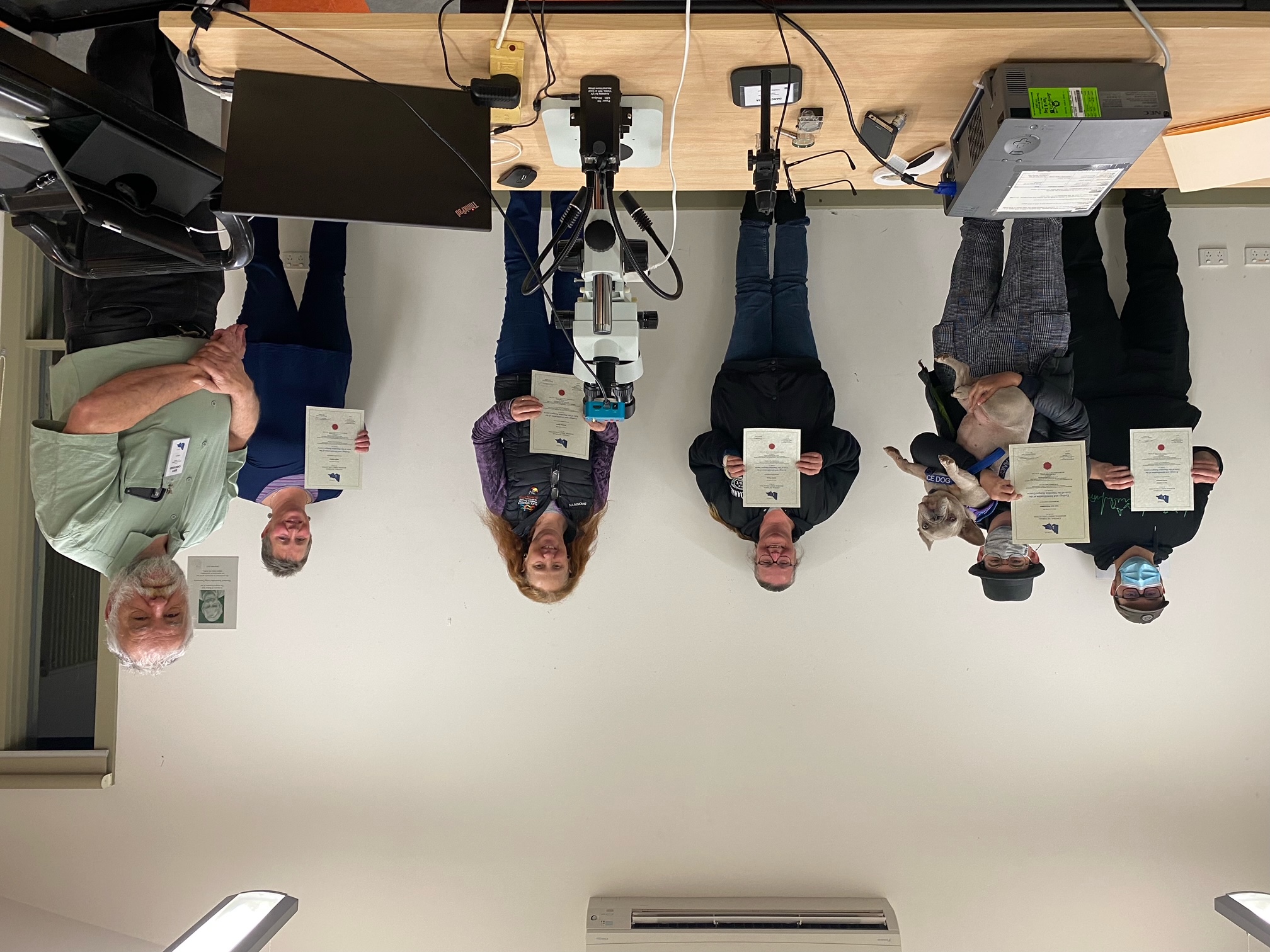 Congratulations to our graduates of the Ecology and Identification of the Ants of the Macedon Ranges Course 2021.
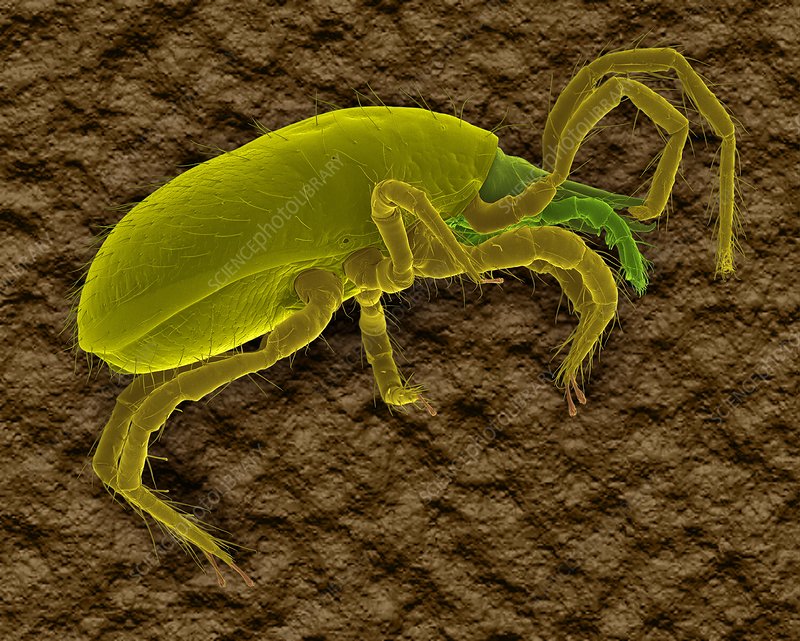 Next week on CVRIC TV, we have a special guest in the form of a live colony of Oribatid Soil Mites.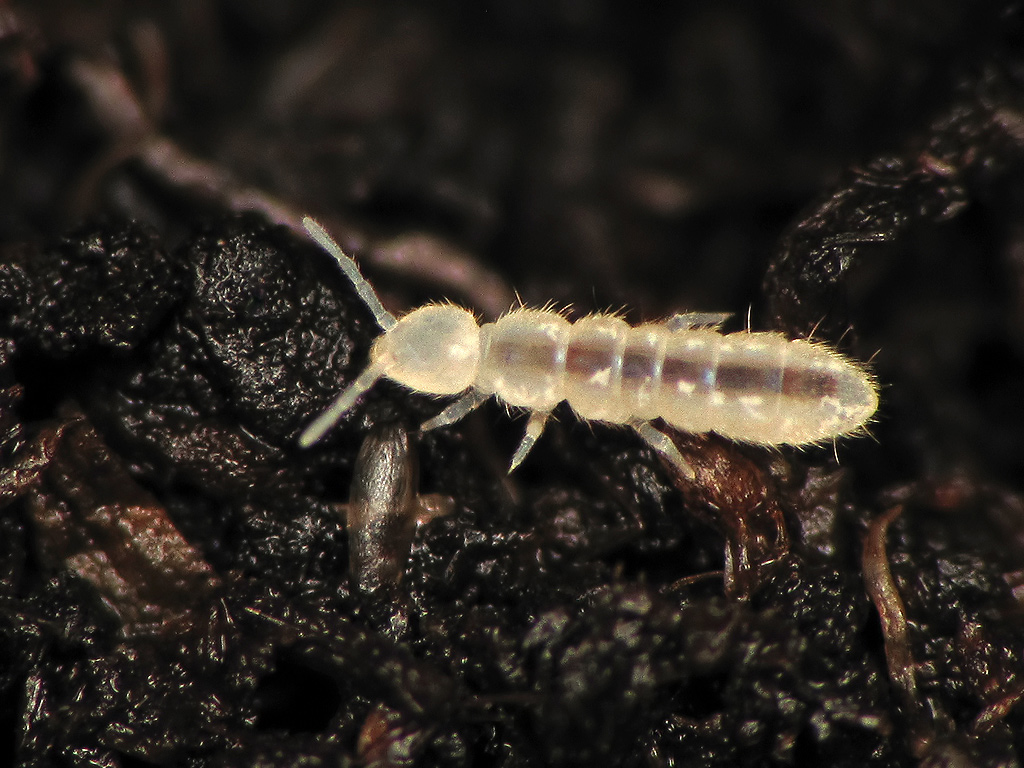
 FANTASTIC NEWS!!:
 A member of the Entomological Collections Network contacted us recently regarding how we can use our existing MS Access Database with a web based interface. Many people advised us to use other, more sofisticated software applications such as Specify 6 or 7, however we decided that that option was far too much overkill for our needs.
 After working with our ant collections since early April this year, we are starting to really get to know them well!
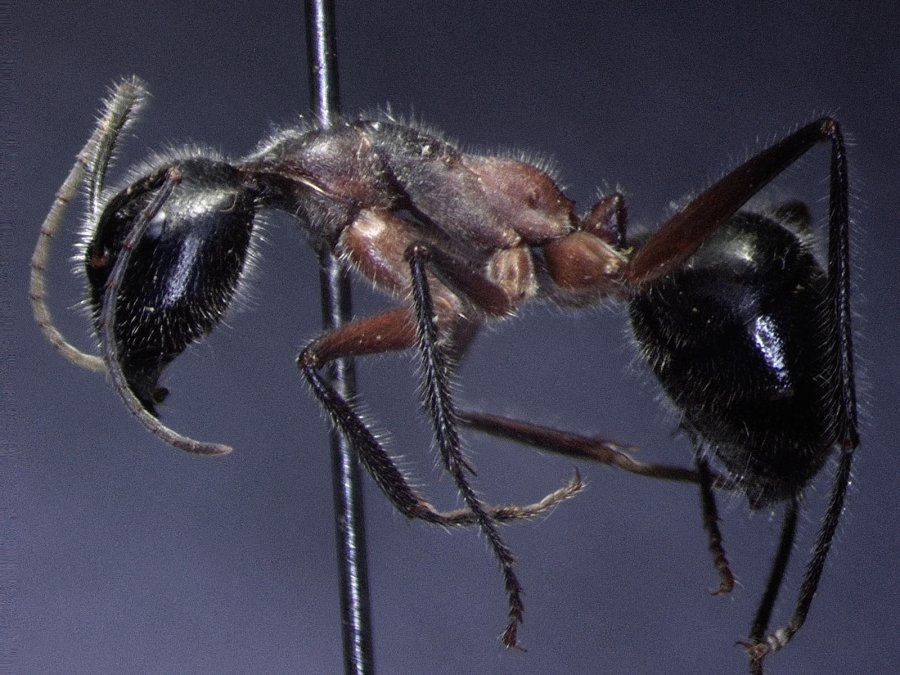 We keep refining our imaging methods as we get used to the software we’re using and it seems our images are getting better.