Whats a Pseudoneoponera oculata ?
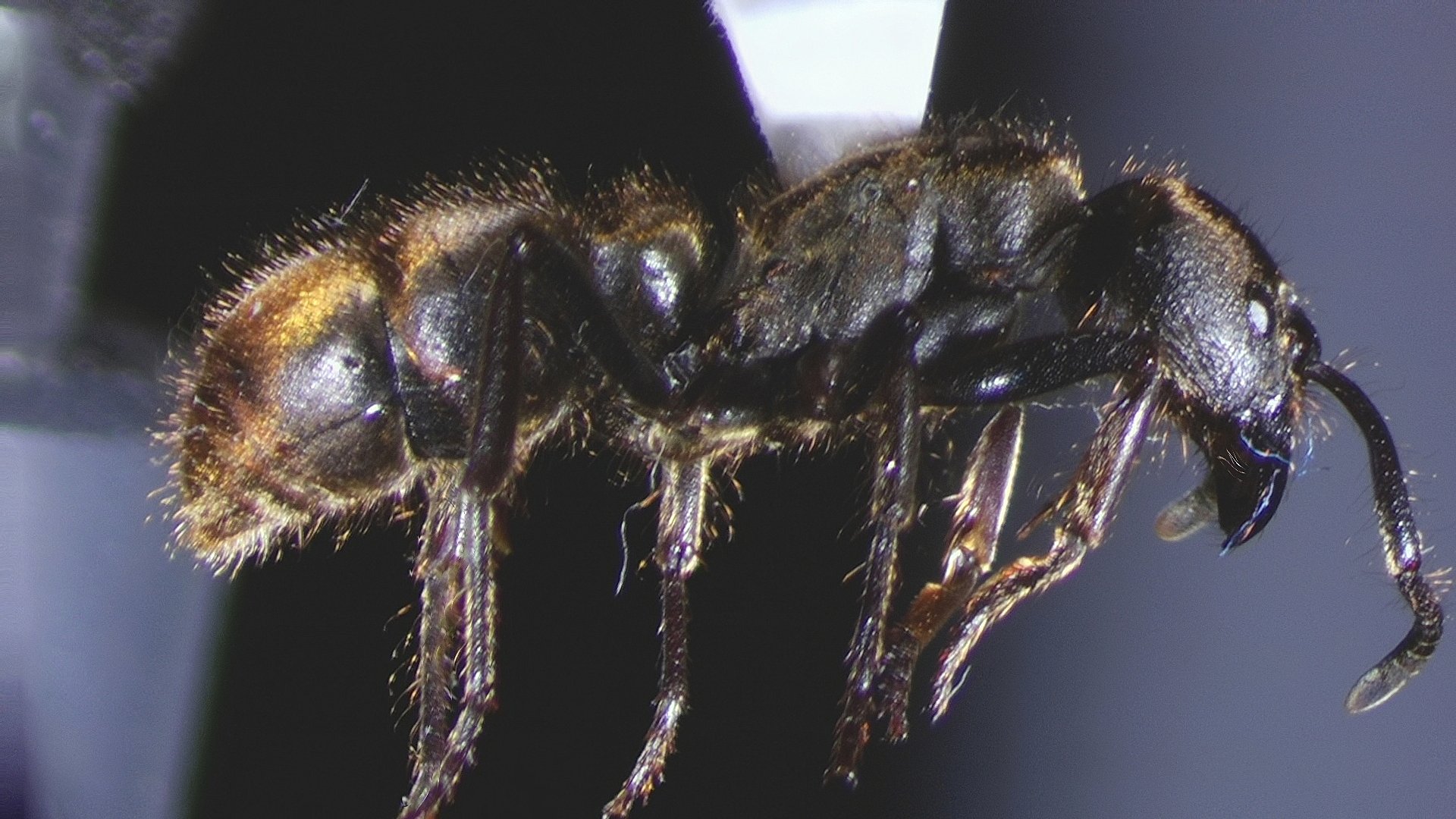 One of our intrepid students has collected an unusual example of the relatively little known ant genus Pseudoneoponera.
This genera of ants is comprised of less than 20 species and ranges from India to Australia. The genus is notable for the unusual foamy defensive secretions its workers exude from the sting, for its small colonies, and for its unusual social systems, including the frequent occurrence of gamergates.
Workers of Pseudoneoponera are distinguished from other ponerine ants by their combination of robust build, coarse sculpturing, shaggy pilosity, obsolete metanotal groove, a nodiform petiole which is semicircular in dorsal view and often has a denticulate posterodorsal margin, longitudinally striate tergite A3 (rarely otherwise sculptured), and strong gastral constriction between A3 and A4.
Pseudoneoponera most closely resembles Bothroponera and Phrynoponera, and to a lesser extent Ectomomyrmex, but these genera lack the shaggy pilosity, semicircular denticulate petiole, and longitudinally striate tergite A3 of Pseudoneoponera, and Pseudoneoponera lacks the spinose propodeum (except Pseudoneoponera bispinosa), five-spined petiolar node, and unconstricted gaster of Phrynoponera, and the small eyes, angular sides of the head, divided mesopleuron (except in a few species), and weakly constricted gaster of Ectomomyrmex.
 entire Science of Entomology (Insects) to the general public. Now in its second year, this spectacular exhibition will promise visitors a unique and fascinating look into the world of insects and their relatives.
  Dr Russell George Wilkinson (1/2/1939-2/7/2019) grew up in Perth, WA. His undergraduate degree was in the Zoology Dept at the University of Western Australia, majoring in Entomology.
 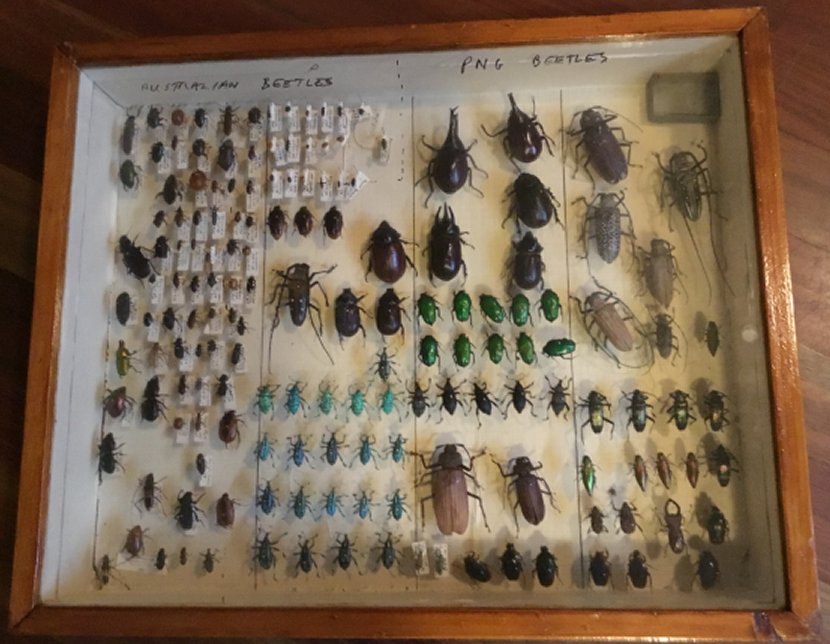 Dr Wilkinsons collection now resides with the C.V.R.I.C thanks to the generous donation by his wife Peppa..